12 June 2026 · 2 min read
A Field Guide to the Fabrics We Love
Chanderi, linen, organza, muslin — every Mahika dress begins with cloth. Here's how to tell them apart, what each one feels like, and when to reach for it.
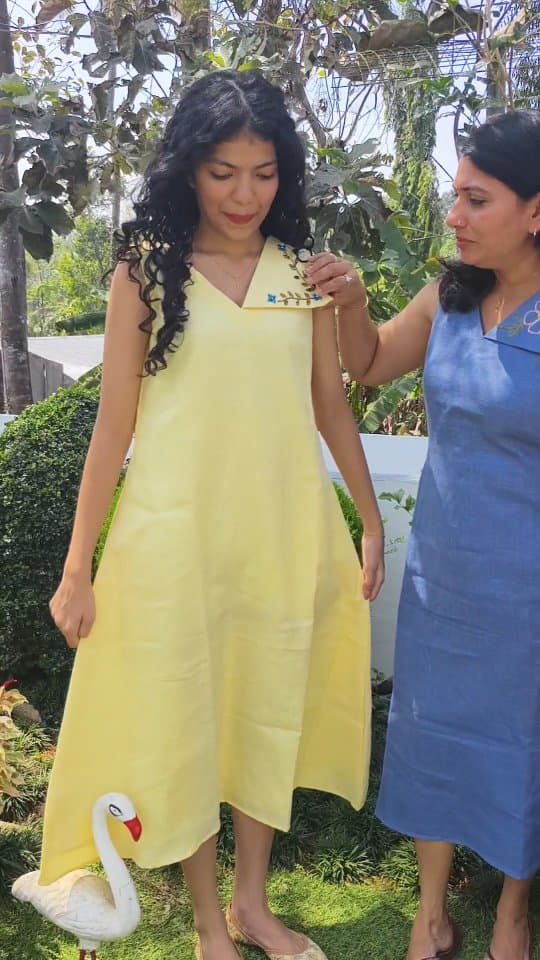
A dress is only ever as good as the cloth it begins with. Before a single measurement is taken, before a colour is chosen, we are choosing fabric — because in Kerala's heat and humidity, how a fabric breathes and falls matters as much as how it looks. Here is a short, honest guide to the materials you'll meet across our collection.
Chanderi — quiet luxury
Chanderi is a fine handloom weave with a soft sheen and a near-translucent body. It drapes beautifully without clinging, which is exactly why it photographs so well and feels so light on a long afternoon. It takes thread work and delicate embroidery gracefully, so most of our A-line pieces with hand detailing start here. Think of Chanderi as your dressed-up everyday — refined, but never stiff.
Mulchanderi — the breezy cousin
Mulchanderi blends the airiness of mul cotton with the elegance of Chanderi. It is a touch lighter and even more forgiving in the heat, which makes it our go-to for festive daywear and church mornings. The white-on-white threadwork pieces owe their effortless, floaty quality to this weave.
Linen — structure that ages well
Linen is the workhorse with a soul. It holds a clean A-line shape, breathes exceptionally, and — unlike most fabrics — actually gets better with wear, softening over time without losing its character. A hand-embroidered linen dress is the piece you'll reach for from a workday to a quiet dinner, year after year.
Organza — the occasion fabric
Crisp, sheer and full of light, organza is what we use when a piece needs to make an entrance. It holds volume and structure — those graceful gathers and keyhole backs only work because organza can stand on its own. It is less about everyday comfort and more about the days you want to be remembered at: weddings, festive evenings, celebrations.
Muslin & cotton — comfort, first
Premium muslin is soft, breathable and surprisingly elegant when it carries appliqué or sequin detailing — our three-piece sets for baptisms and family days live here. Pure cotton, meanwhile, is the honest everyday choice: a loose umbrella-cut frock that simply lets you get on with your day.
In this climate, the right fabric isn't a luxury. It's the difference between a dress you endure and one you forget you're wearing.
Caring for them
Natural fabrics ask for a little gentleness in return for years of wear:
- Hand wash or use a gentle machine cycle in cool water; avoid harsh detergents.
- Dry in shade, not direct sun, to keep colours true.
- Iron Chanderi and organza on low heat, ideally with a thin cloth in between.
- Store folded with space to breathe, away from damp.
Choose the fabric for the life you'll live in the dress, and the rest — colour, fit, the small customisations — falls into place. That's where we come in.
Found something you love?
Every piece is made to your size, your colour, your sleeve. Browse the collection, or message us on WhatsApp.
More from the Journal
20 May 2026 · 2 min read
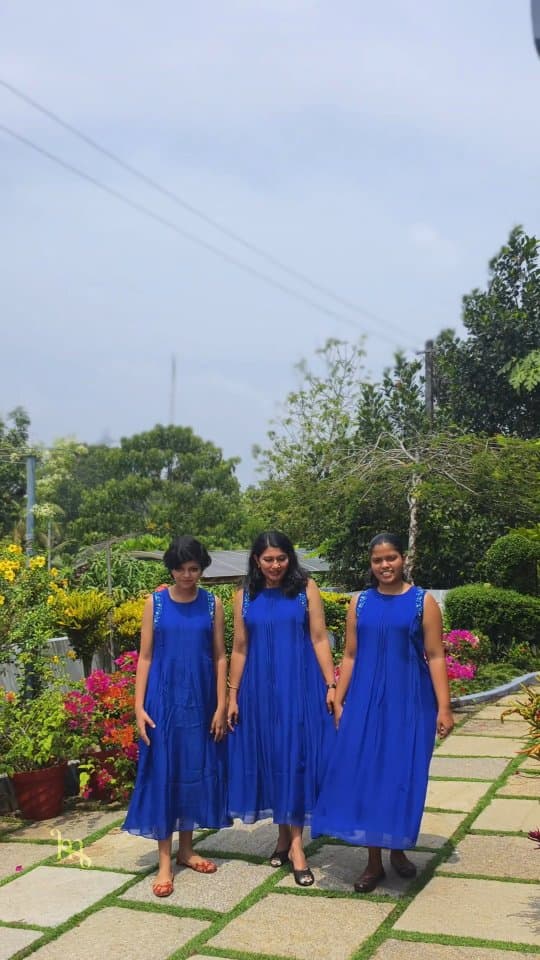
What to Wear, and When: A Kerala Occasion Guide
From Easter Sunday to a cousin's wedding, the Kerala calendar has its own rhythm. A practical guide to dressing for each moment — gracefully, and in the heat.
28 April 2026 · 2 min read
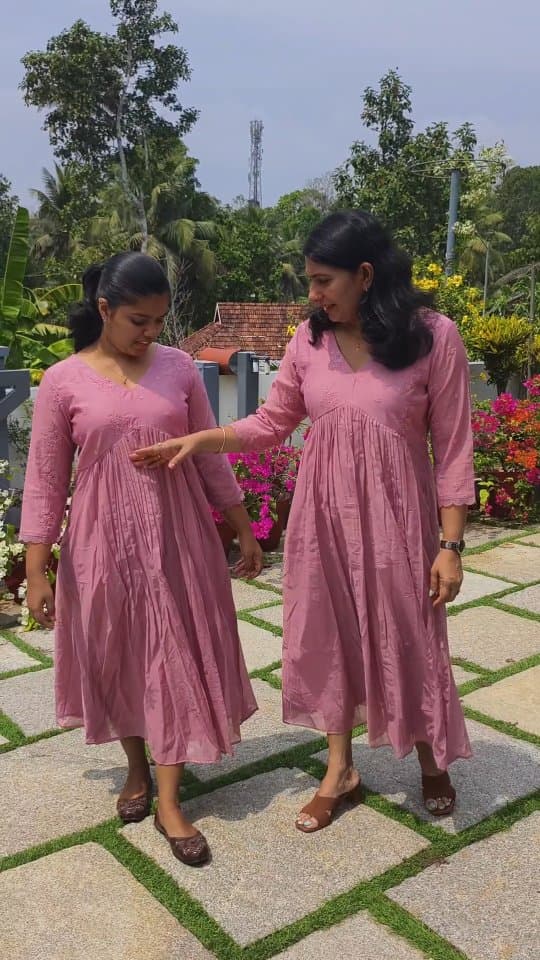
Made for You: The Case for a Dress Cut to Fit
Off-the-rack asks you to fit the dress. Made-to-measure makes the dress fit you. Here's what that really means at Mahika — and why it changes how a dress feels.